Access comes first
Gates, driveway width, ground conditions, and equipment staging need to be reviewed before choosing a removal method.


A tree that has outgrown its space, stopped thriving, or started threatening your property needs a clear plan. CAVALTREE helps homeowners and property managers arrange tree removal around homes, driveways, fences, and the landscape they want to keep.
Tell us where the work is and what you need. Fields marked * are required.
Not every overgrown tree needs to be cut down. Sometimes selective pruning or a tree health assessment is the better starting point. When removal is the right choice, the important questions are how the tree will be handled, what is underneath it, and how equipment can reach it. We help you work through those details before the cutting starts.
Tree removal may be appropriate when a tree is dead, severely declining, structurally compromised, or incompatible with the way a property needs to be used. An evaluation helps separate a tree that can be retained from one that should be removed.
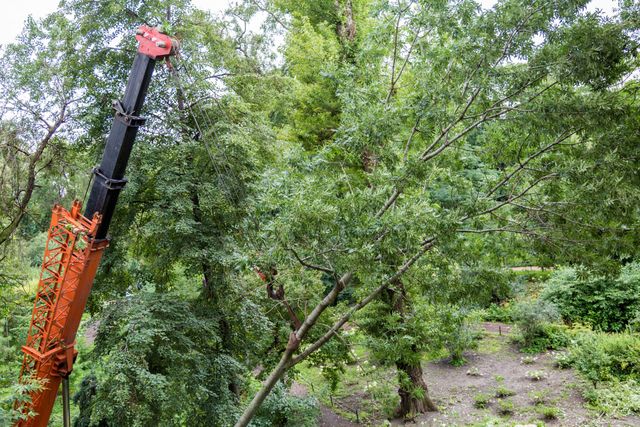
Established properties rarely come with an empty landing zone. Screen enclosures, neighboring homes, narrow side yards, mature landscaping, and underground improvements all influence the work.
Gates, driveway width, ground conditions, and equipment staging need to be reviewed before choosing a removal method.
Roofs, pavers, irrigation, fences, and nearby trees should be part of the plan, not discoveries made halfway through the job.
Know what is included for limbs, trunk wood, debris, stump work, and final cleanup before you approve the work.
A thinning canopy, repeated limb dieback, or extensive deadwood deserves an assessment of the whole tree.
A split trunk, broken crown, or new lean can change the options for retaining a tree.
A tree growing into a roofline or confined space may need pruning, removal, or a longer-term management plan.
A renovation, new driveway, or landscape redesign may require a review of existing trees and access.
Repeated failures are a reason to look beyond a single broken limb and evaluate structure and condition.
If a tree no longer fits the property, get a site-specific removal scope and confirm any applicable approvals.
Every property is different. Confirm the work, access, and finish in your project scope.
Removal planning for front yards, backyards, side yards, and established neighborhoods.
A careful approach to trees that may have brittle branches or weakened wood.
Equipment and sectional removal planning based on tree size, position, and access.
Coordination around parking areas, entrances, tenants, and normal property operations.
Assessment and removal planning when severe weather has damaged a tree or blocked access.
Clarify hauling, wood disposal, and optional stump grinding as separate parts of the scope.
A successful removal is about more than getting the tree on the ground. It starts with identifying the structures, surfaces, and living landscape that need protection. The appropriate method may involve controlled sections, rigging, or specialized equipment after the site is reviewed.
A straightforward process for understanding the property, setting expectations, and moving the work forward.
Share the address, what concerns you, and photos taken from a safe location.
Evaluate the tree, surrounding property, access, and the practical removal options.
Agree on removal, hauling, cleanup, and any separate stump work.
Carry out the agreed plan and review the remaining site with you.
Tree height and trunk diameter are only part of the picture. The condition of the wood, access for equipment, nearby structures, debris volume, and the method needed to control the tree all affect the scope. Two similar-looking trees can require very different jobs. Photos help start the conversation; a site review is the better basis for a firm quote.
CAVALTREE coordinates service requests across the United States for homeowners, businesses, and property managers. Share your address and project details so we can confirm tree removal availability in your area. Scheduling and dispatch depend on the location, conditions, equipment, and available crews.
Trees near homes need an access and removal plan that accounts for rooflines, windows, utilities, and nearby landscaping. Share photos and request a site evaluation so the appropriate method can be determined.
Stump grinding should be specifically listed in the quote. Ask whether the scope includes grinding, chip removal, backfill, or landscape restoration; those are different tasks.
That depends on the tree’s condition, structure, location, and your goals. Pruning may resolve clearance or deadwood concerns, while a severely compromised tree may need removal.
Yes. Photos of the whole tree, its base, nearby structures, and access points can help explain the project. Photos do not replace an on-site evaluation when one is needed.
Keep people and pets away from the area and call 877-509-4222 for urgent tree assistance. If there is an immediate threat to life or a downed power line, contact emergency services and the utility first.
Confirm hauling and disposal in the written scope. If you want to retain wood or mulch, discuss that before work begins so staging and cleanup can be planned.
Tell us what needs to come down. We will help you identify the next step and the information needed for a removal estimate.