Resolve the tree hazard
A tree resting on the building or a suspended branch may need removal before the roof can be accessed.


A damaged roof can leave your property exposed while permanent repairs are arranged. CAVALTREE helps coordinate roof tarping and temporary mitigation after tree impact or storm damage, with the tree hazard, roof condition, access, and weather considered before work begins.
Call for urgent help. Share details below to begin a review. Fields marked * are required.
A roof opening after a tree impact needs more than a quick cover. The tree may still be loading the building, loose debris may remain overhead, and the roof surface may be unsafe to access. The first review identifies those conditions so tree removal and temporary protection can be coordinated in the right order.
Roof tarping is temporary protection over a damaged roof area to help limit further weather exposure while repairs are arranged. It does not repair structural damage, restore the roof permanently, or establish that a building is safe to occupy.
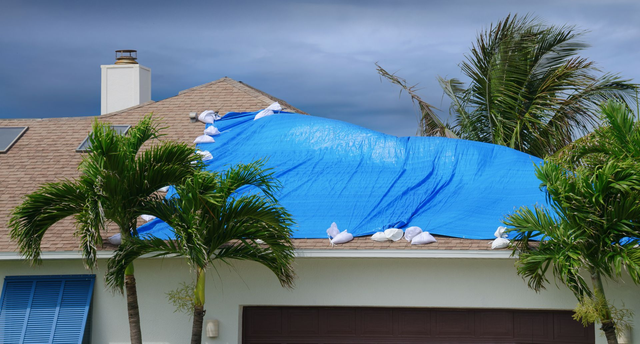
Temporary roof work depends on more than the size of the opening. Access, weather, overhead hazards, and the condition of the building determine what can be done.
A tree resting on the building or a suspended branch may need removal before the roof can be accessed.
Damaged surfaces, height, slope, utilities, and working conditions must be considered by the crew.
Temporary protection needs a next step. Confirm who will assess permanent repairs and any interior damage.
A limb or trunk can puncture the roof and expose decking or interior areas.
Wind can displace roof materials and leave areas more vulnerable to additional weather.
The full extent of an opening may become visible only after a fallen tree is lifted away.
Water entry after a storm calls for a review of the roof and any affected interior areas.
Temporary protection may help bridge the time before the appropriate repair work can be completed.
A displaced or deteriorated tarp needs professional review. Do not climb onto the roof to reposition it yourself.
Every property is different. Confirm the work, access, and finish in your project scope.
Review of the reported roof damage, tree involvement, weather, and access needs.
Coordination of temporary covering where roof condition and working conditions allow it.
Planning for exposed areas after a tree or major limb has been removed from the roof.
Available photos and notes identifying the affected area and temporary work performed.
Identification of remaining exposure or the need to have temporary protection reassessed.
A clear record of remaining roofing, structural, or interior work for the appropriate professionals.
Temporary coverings can be affected by weather and site conditions. Arrange the permanent roof assessment promptly and ask what follow-up is recommended for the installed protection. If water has reached the interior, roof tarping alone does not dry building materials or address electrical and structural damage.
A straightforward process for understanding the property, setting expectations, and moving the work forward.
Provide the address, how the damage occurred, tree involvement, and photos already taken safely.
Assess tree hazards, roof condition, access, weather, and availability of appropriate crews.
Agree on the temporary scope, then arrange the work when site and weather conditions allow.
Record the temporary work and identify remaining roof repairs or other specialist needs.
Confirm the area to be protected, the temporary work included, and any follow-up arrangements. Roof replacement, structural repair, interior drying, mold remediation, and electrical repair are not automatically part of a tarping service. Ask for documentation of the completed work and retain it with your property records.
CAVALTREE coordinates service requests across the United States for homeowners, businesses, and property managers. Share your address and project details so we can confirm roof tarping & mitigation availability in your area. Scheduling and dispatch depend on the location, conditions, equipment, and available crews.
No. It is temporary protection intended to help reduce weather exposure while a damaged roof is assessed and repaired. It does not restore damaged framing or roof materials.
Yes, the need for temporary roof protection can be reviewed alongside the removal. Confirm the tarping scope, crew availability, roof condition, and timing before work is arranged.
Work depends on safe site and weather conditions. Active wind, rain, lightning, roof damage, or access hazards can prevent the crew from proceeding. A request does not guarantee immediate installation.
There is no single timeframe for every roof and installation. Materials, weather, roof condition, and installation details affect performance. Follow the installer’s guidance and arrange permanent repairs promptly.
No. Interior water damage, electrical concerns, drying, and structural repairs require their own assessment and scope. Tell us about visible interior damage so follow-up needs can be identified.
Stay off the damaged roof and keep clear of tree hazards and affected building areas. Share photos only from a safe location. For a life-safety emergency, contact emergency services first; call CAVALTREE for urgent service coordination.
Tell us where the damage is and whether a tree is involved. We will help review temporary protection needs and the next step for your property.