Resolve active hazards
Identify suspended branches, leaning trees, damaged buildings, and utility involvement before planning ordinary cleanup.


After severe weather, broken branches and downed trees can cover a property and hide more urgent hazards. CAVALTREE helps organize storm damage cleanup around the work that matters first: evaluating unstable trees, clearing agreed access areas, and handling the debris left behind.
Call for urgent help. Share details below to begin a review. Fields marked * are required.
A few branches on a lawn and multiple trees tangled across a driveway are different projects. Start by identifying what is damaged, what remains overhead, and which areas need access. The cleanup plan can then separate urgent hazards from the remaining tree debris and the finishing work you want completed.
A tree-related storm cleanup scope can include fallen limb removal, damaged tree work, cutting and handling woody debris, hauling, and cleanup of agreed areas. Unstable trees and utility hazards must be addressed before routine debris work begins.
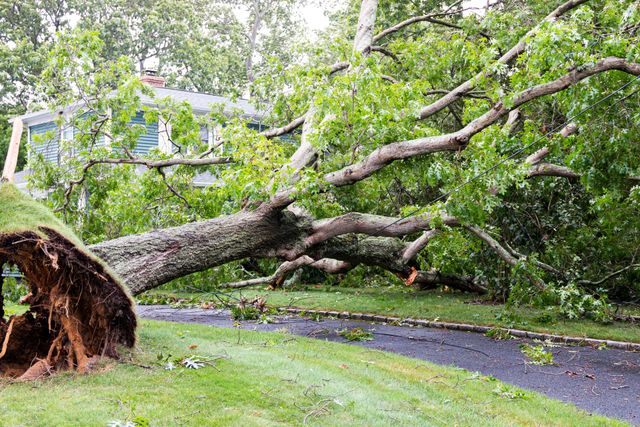
Storm damage is easier to manage when the property is broken into a clear work sequence. Removing a visible pile does not address an unstable limb above it.
Identify suspended branches, leaning trees, damaged buildings, and utility involvement before planning ordinary cleanup.
Entrances, driveways, walkways, and operational areas can be prioritized once they can be worked safely.
Confirm hauling, wood retention, chip placement, stump work, and any areas outside the cleanup scope.
Scattered limbs can require collection, processing, and an agreed debris destination.
Larger trunks and tangled branches may need removal equipment before access can be restored.
A partially broken or uprooted tree needs evaluation before work proceeds beneath or around it.
Tree material on roofs, fences, patios, and outbuildings may call for controlled removal first.
Larger properties benefit from identifying work zones, access routes, and removal priorities.
Managed properties may need coordination around residents, tenants, parking, and authorized access.
Every property is different. Confirm the work, access, and finish in your project scope.
Collection and handling of storm-generated branches within the agreed work area.
A removal plan for trunks, root plates, and large tree sections left by a storm.
Review of trees still standing that may need pruning, removal, or further evaluation.
Tree debris removal from designated entrances and access routes after hazard review.
Hauling or agreed on-site handling of tree material, with disposal and retention options defined in advance.
Available before-and-after photos and notes showing the agreed removal and cleanup work.
A tree pressing against a building may need to be handled before scattered branches are collected. After the immediate hazard is addressed, broader hauling, stump grinding, lawn repair, or landscaping may follow as separate work. Agree on priorities and boundaries so the first response leads into a practical recovery plan.
A straightforward process for understanding the property, setting expectations, and moving the work forward.
Share the location, damaged areas, access needs, and photos that can be taken safely.
Review unstable trees, structure contact, utilities, and the order of removal and cleanup.
Agree on the work zones, equipment, hauling, retained materials, and cleanup finish.
Complete the agreed tree and debris work, then identify any remaining property projects.
Ask what will be hauled, chipped, stacked, or left on site before the work starts. Root balls, soil, construction materials, and household contents may require different services from ordinary tree debris. Discuss access limits and available staging space so the equipment and disposal plan fit the property.
CAVALTREE coordinates service requests across the United States for homeowners, businesses, and property managers. Share your address and project details so we can confirm storm damage cleanup availability in your area. Scheduling and dispatch depend on the location, conditions, equipment, and available crews.
They can overlap, but the priorities differ. Emergency removal addresses an immediate tree hazard. Storm cleanup deals with the agreed debris and property work after hazards have been reviewed.
Only if that is included in your scope. Confirm which materials will be removed, which will stay, and where any retained logs or chips will be placed.
Stump grinding is a separate item unless specifically included. Let us know about existing stumps or exposed root balls when requesting a review.
The utility must address the electrical hazard first. Stay clear of contacted trees, downed lines, and anything that may be energized; report the situation to the utility.
This page covers tree-related storm cleanup. Roofing materials, damaged contents, hazardous materials, and other mixed debris need a separate review and may require specialist services.
Share the property address, authorized contact, affected areas, tenant or resident access needs, and photos if available. The scope and scheduling can then be reviewed for that property.
Show us what the storm left behind. We will help review the tree hazards, access priorities, and cleanup scope for your property.