

Emergency Tree Help Starts Here
Contact CavalTree for emergency tree removal, hazardous tree review, storm damage response, insurance documentation support, and crew coordination. Send photos, describe the situation, and help the team understand what kind of tree problem is threatening the property.
- Emergency tree removal requests
- Storm damage and insurance documentation help
- Hazardous tree review and photo upload
- Fast routing through the CavalTree network
Send Tree Damage Details
Upload photos, add the property details, and include insurance information if a claim has already been started.
Orlando Tree Removal Specialists | Licensed & Insured | Residential & Commercial | Storm Damage Response
Do You Need Hazardous Tree Removal in Orlando?
You may need hazardous tree removal if a tree is leaning toward your home, has major dead limbs, cracked branches, visible trunk splitting, root plate lifting, storm damage, fungal decay, or large limbs hanging over your roof, driveway, pool enclosure, fence, or power lines.
In Orlando, hazardous trees are especially important to address before and after major storms. Hurricane-force winds, heavy rain, and saturated soil can snap large limbs, shift root systems, and turn a bad tree into a bigger insurance problem.
Fast Answer
A hazardous tree is a tree with a higher risk of failure that could damage people, homes, roofs, vehicles, fences, utilities, pool enclosures, driveways, or nearby property. If it is dead, leaning, cracked, uprooted, storm-damaged, or hanging over a high-value area, it needs professional evaluation.
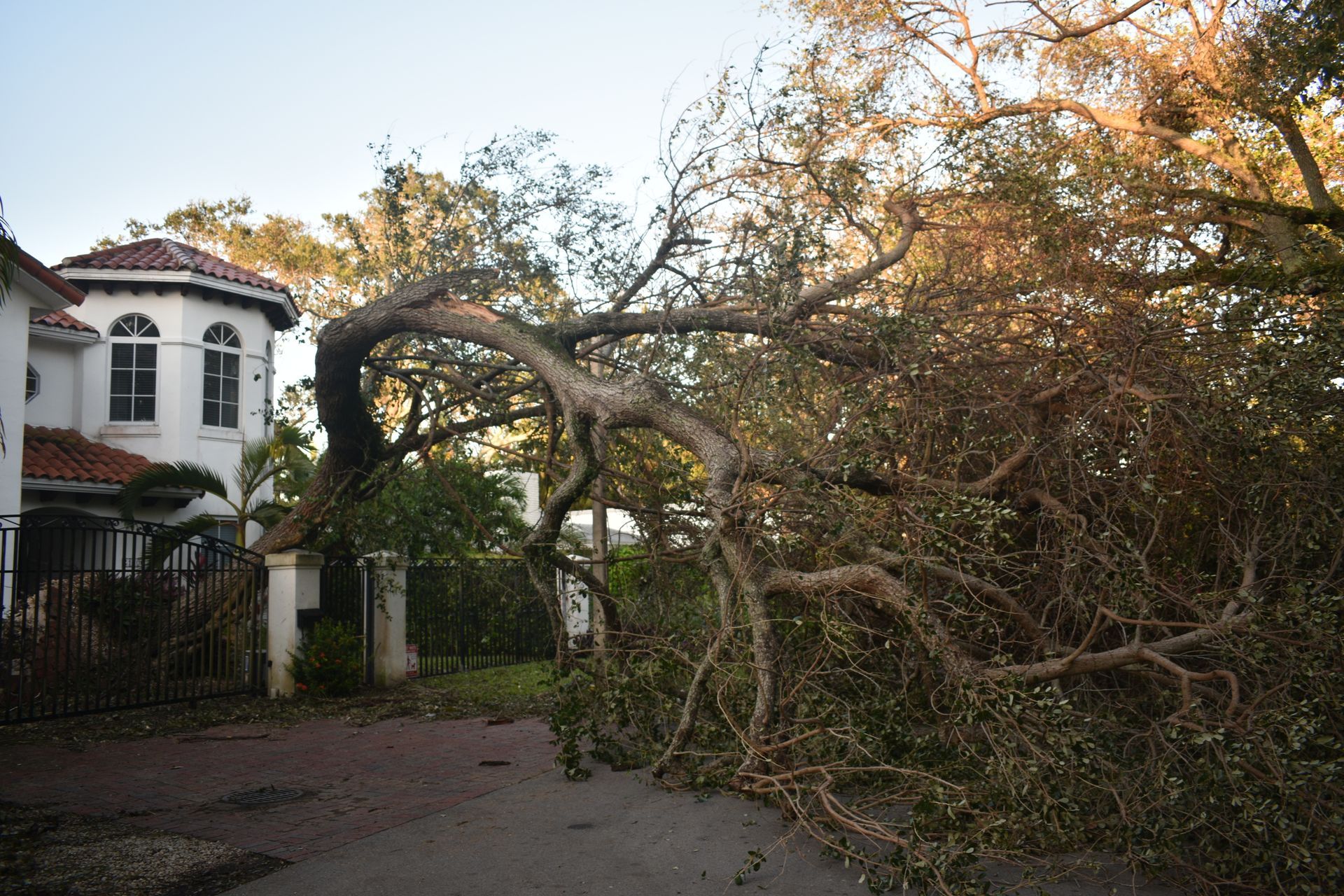
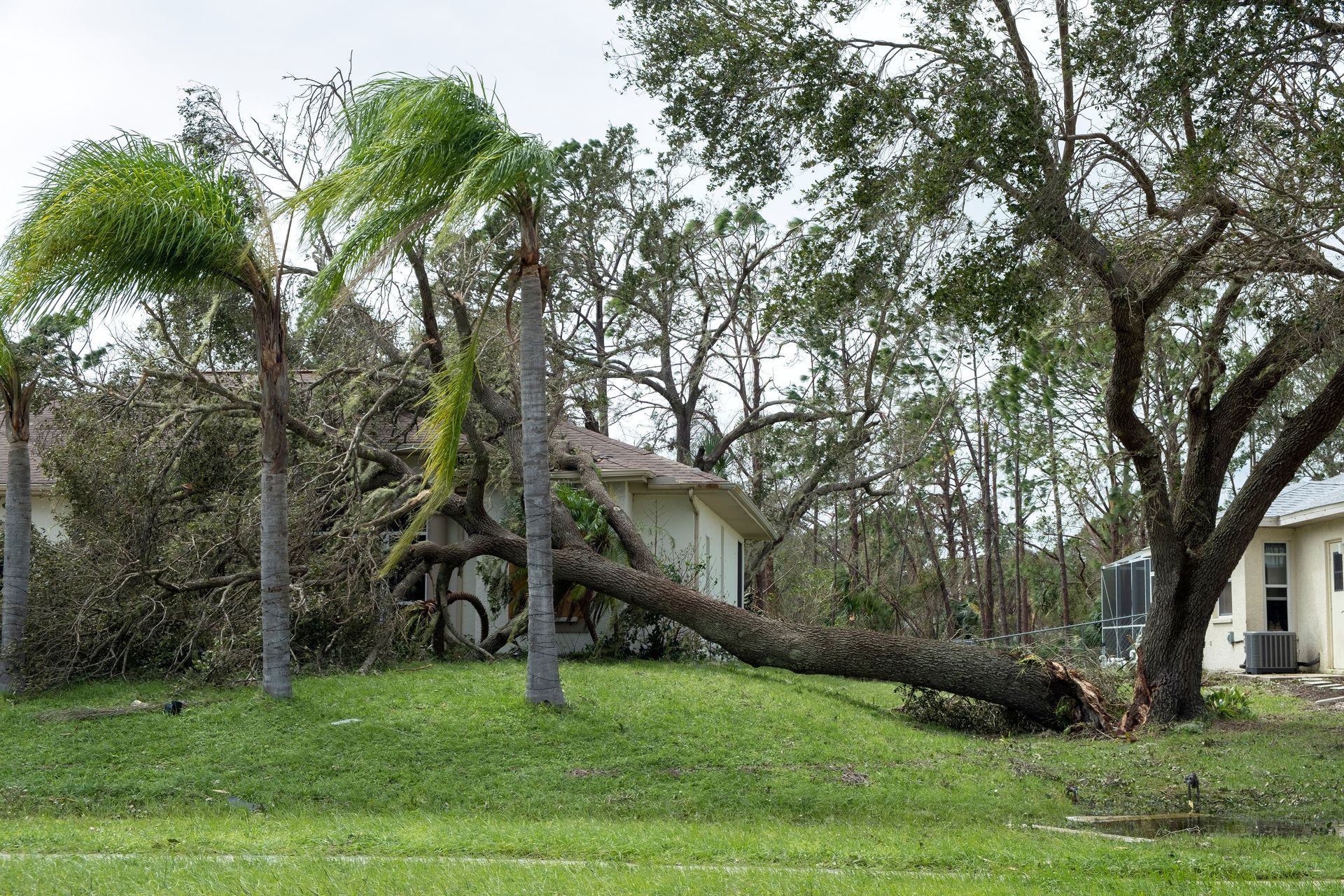
Orlando Tree Hazards Are Not Something to Watch for a While
Central Florida trees deal with saturated soil, high winds, lightning, hurricanes, tropical storms, decay, and years of improper trimming. A tree can look mostly fine from the street and still have structural problems that make it dangerous during wind or heavy rain.
Hazardous Trees Usually Fail at the Worst Time
Dangerous trees usually come apart when the weather is already bad, not when everyone is standing around prepared for it.
Property Exposure Changes the Stakes
A compromised tree in open space is one thing. A compromised tree over a roof, garage, fence, driveway, pool screen, or neighboring yard is another level of risk.
The Goal Is Safe Removal, Not Just Cutting
CavalTree evaluates dangerous trees based on visible risk, surrounding property, access, and the safest removal method so the job does not become a bigger mess.
Warning Signs You Should Not Ignore
Some tree problems are cosmetic. These are not. If you see any of the signs below, the tree needs to be evaluated before Orlando’s next storm does the evaluating for you.
Leaning Toward a Home, Roof, or Driveway
A tree that suddenly leans or continues leaning toward a structure can be a serious risk, especially if the soil is lifting around the base.
Large Dead Limbs in the Canopy
Dead branches can break loose during wind or rain and create major risk over roofs, vehicles, patios, and walkways.
Cracked or Split Trunk
A visible crack, split, or separation in the trunk often means the tree is structurally compromised and should not be ignored.
Root Plate Lifting
If the ground is raised or cracking around the base of the tree, the root system may be failing and the tree may already be unstable.
Fungal Growth or Hollow Areas
Mushrooms, cavities, decay pockets, and soft wood can point to internal rot that weakens the tree from the inside out.
Storm Damage
Broken limbs, hanging branches, canopy loss, and fresh trunk wounds after a storm can make a tree unstable even if it is still standing.
Hazardous Tree Removal Services
CavalTree removes dangerous trees, storm-damaged trees, unstable limbs, and high-risk trees near homes, roofs, fences, utilities, driveways, and pool enclosures throughout the Orlando area.
Dangerous Tree Removal
Removal for trees that are leaning, splitting, decaying, uprooting, or positioned where failure could damage a structure or injure someone.
Storm Damaged Trees
Help after wind, rain, lightning, or hurricane damage leaves trees broken, unstable, hanging, or partially fallen on the property.
Dead Tree Removal
Safe removal of dead or declining trees before brittle limbs, decay, or trunk failure becomes a bigger problem.
Tree Over Roof Removal
Careful planning for trees or heavy limbs hanging over roofs, gutters, patios, screen enclosures, garages, and outdoor living areas.
Tree Near Power Lines
Hazard assessment and coordinated removal planning when trees are close to utility lines, service drops, or high-risk access areas.
Emergency Tree Removal
Fast response when a tree has fallen, shifted, cracked, or created an immediate safety concern after severe Orlando weather.

Storm Damage Can Turn A Bad Tree Dangerous Fast
Orlando trees deal with heavy rain, saturated soil, tropical systems, lightning, and high wind events. A tree that looked manageable last month can become a real property threat after one storm.
CavalTree helps homeowners and property managers respond quickly when limbs are hanging, trunks are cracked, root plates are lifting, or trees have shifted toward homes, roofs, driveways, fences, and screen enclosures.
- Broken limbs hanging over homes, vehicles, fences, or pool cages
- Large trees leaning after heavy rain or wind
- Uprooted trees with exposed root systems
- Split trunks or fresh cracks after storm impact
- Tree damage that may need insurance documentation
From First Call To Full Removal
Hazardous tree removal needs a clear plan. CavalTree keeps the process straightforward so you know what is happening, why it matters, and what needs to happen next.
Inspect The Risk
We evaluate the tree, access points, nearby structures, utilities, decay, lean, root movement, and storm damage.
Build The Plan
We determine whether the tree needs climbing, rigging, crane support, sectional removal, debris staging, or documentation.
Remove Safely
The crew removes the hazardous tree in controlled sections to protect nearby roofs, fences, driveways, landscaping, and structures.
Clean Up Clearly
We handle debris cleanup and leave the property safer, cleaner, and easier to move forward with after the removal.
Tree Removal Near Homes & Structures
The closer a hazardous tree is to something valuable, the more planning matters. CavalTree removes high-risk trees with the equipment, rigging, and process needed to protect the surrounding property.
Near Roofs
Hazardous trees over rooflines need careful sectional removal to reduce the risk of shingles, gutters, fascia, and decking being damaged during the job.
Near Pool Enclosures
Screen enclosures are common in Orlando and easy to damage. We plan removals around cages, patios, outdoor kitchens, and pool decks.
Near Fences & Driveways
Large limbs and trunk sections can destroy fencing, pavers, concrete, and gates if the removal is not staged correctly.
Near Utilities
When trees are close to service lines or utility paths, the removal needs more caution, coordination, and controlled movement.
Near Businesses
Commercial properties need fast hazard reduction to protect customers, employees, parking areas, signage, and building entrances.
Near Neighboring Property
Hazardous trees near property lines can create tension fast. Clear documentation and careful removal help reduce the mess before it becomes drama.
Insurance Help Without The Guesswork
When a hazardous tree is tied to storm damage, insurance documentation matters. Photos, cause of damage, access notes, removal scope, and cleanup details can all affect how smoothly the situation moves forward.
CavalTree helps document tree damage clearly so homeowners, property managers, and adjusters have a cleaner picture of what happened and what was needed.
- Storm damage photo documentation before removal begins
- Notes on tree failure, impact areas, access issues, and property risk
- Clear removal scope for fallen, leaning, uprooted, or broken trees
- Cleanup documentation after the hazardous tree is removed
Hazardous Tree Removal Across Greater Orlando
CavalTree serves homeowners, businesses, HOAs, and property managers throughout Orlando and nearby Central Florida communities.
Hazardous Tree Removal FAQs
How do I know if a tree is hazardous?
A tree may be hazardous if it is leaning, dead, cracked, uprooted, hollow, storm damaged, decaying, or positioned where failure could damage a home, roof, vehicle, pool enclosure, fence, utility line, or walkway.
Should I remove a hazardous tree before hurricane season?
Yes, if the tree shows warning signs. Orlando storms can add wind pressure, saturated soil, and limb failure to an already unstable tree. Removing a hazardous tree before severe weather is usually safer than waiting until it falls.
Can you remove trees close to a house?
Yes. Trees close to homes require controlled removal, rigging, careful access planning, and sometimes specialized equipment. The goal is to reduce risk to the roof, gutters, siding, landscaping, and surrounding property.
Does insurance cover hazardous tree removal?
Insurance coverage depends on the policy, cause of damage, and whether the tree has affected a covered structure. Storm-related tree damage may need documentation, photos, and a clear removal scope.
Do I need a permit to remove a hazardous tree in Orlando?
Permit rules can depend on the city, county, tree condition, species, location, and emergency status. A hazardous or storm-damaged tree may require documentation. It is best to confirm before removal when time allows.
Can you handle emergency tree removal?
Yes. CavalTree helps with urgent tree situations involving fallen trees, leaning trees, broken limbs, storm damage, access blockage, property damage, and immediate safety concerns.
Do Not Wait For A Hazardous Tree To Become Property Damage
If a tree is leaning, cracked, dead, uprooted, storm damaged, or hanging over something valuable, get it inspected before Orlando weather makes the decision for you.


